
Avoiding Toll Road Penalties in Turkey: Tips and Best Practices
Learn how to avoid fines and penalties on Turkish toll roads with our expert advice.
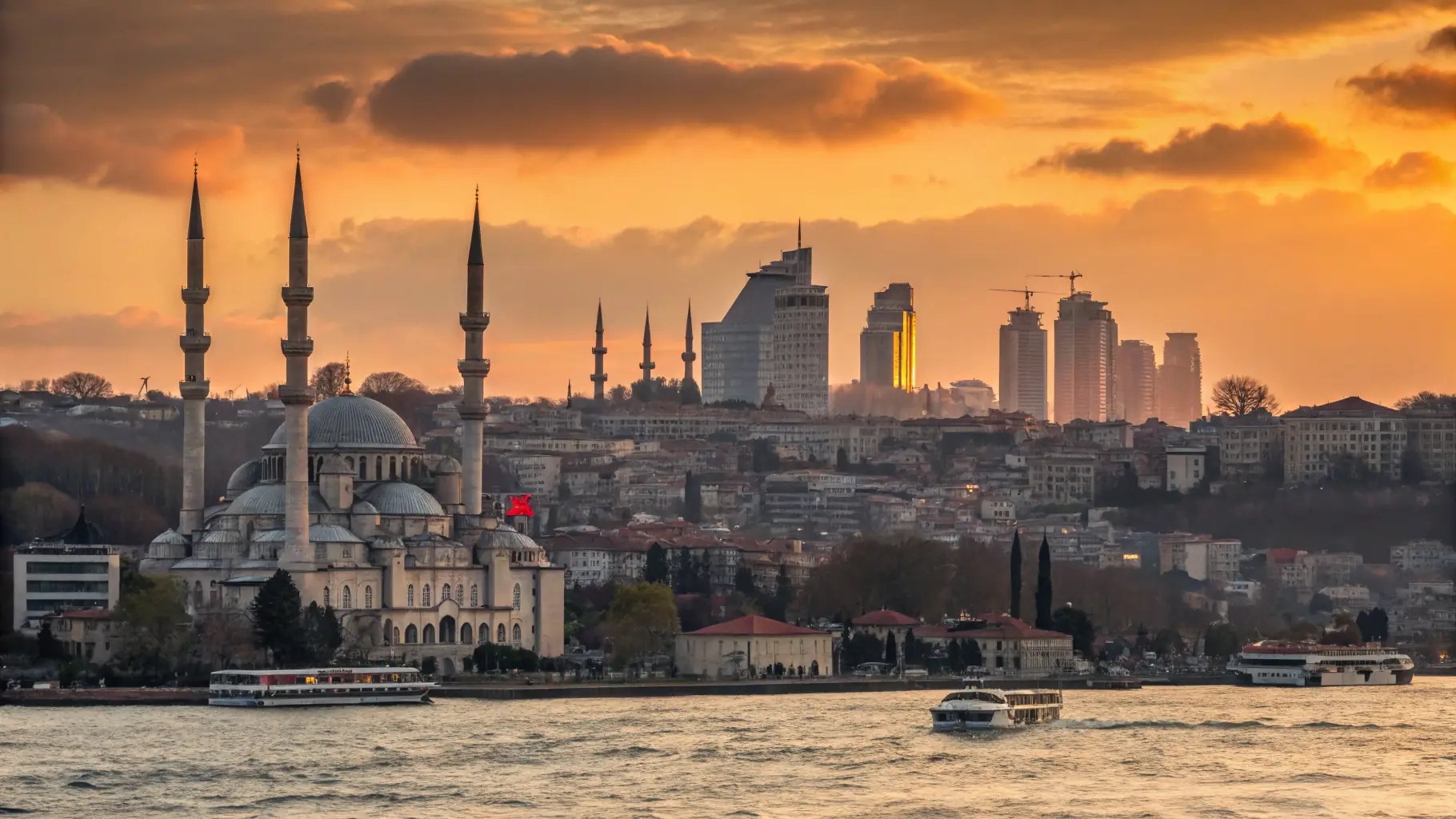
Istanbul, a city straddling two continents, relies on a network of toll bridges and tunnels to connect its European and Asian sides. The Bosphorus Bridge (15 Temmuz Şehitler Köprüsü) and the Fatih Sultan Mehmet Bridge are iconic landmarks and vital transportation arteries. The Yavuz Sultan Selim Bridge, the newest and widest, offers an alternative route with advanced technology. The Eurasia Tunnel, an underwater passage beneath the Bosphorus, provides a fast and convenient option for crossing the city. Understanding the toll system and payment options is crucial for navigating Istanbul efficiently.
Each of Istanbul’s toll crossings has its own unique characteristics and toll rates. The Bosphorus Bridge and Fatih Sultan Mehmet Bridge are typically more congested during peak hours. The Yavuz Sultan Selim Bridge offers a less crowded alternative, but may have higher toll fees. The Eurasia Tunnel provides a direct and time-saving route, but is subject to specific vehicle restrictions. Plan your route based on traffic conditions, toll costs, and your vehicle type. Utilize real-time traffic apps to avoid delays and make informed decisions.
Paying tolls on Istanbul’s bridges and tunnels is primarily done through HGS (Hızlı Geçiş Sistemi). Ensure your HGS account is active and adequately funded before crossing. Alternatively, you can purchase a temporary HGS sticker at designated points of sale. Avoid using unauthorized payment methods or attempting to cross without payment, as this can result in hefty fines. By understanding the toll system and payment options, you can navigate Istanbul’s bridges and tunnels with ease and avoid unnecessary penalties.
Learn how to avoid fines and penalties on Turkish toll roads with our expert advice.
Master Istanbul’s toll infrastructure with our guide to bridges, tunnels, and payment methods.
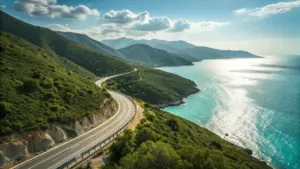
Discover breathtaking landscapes and cultural gems along Turkey’s most scenic toll roads.